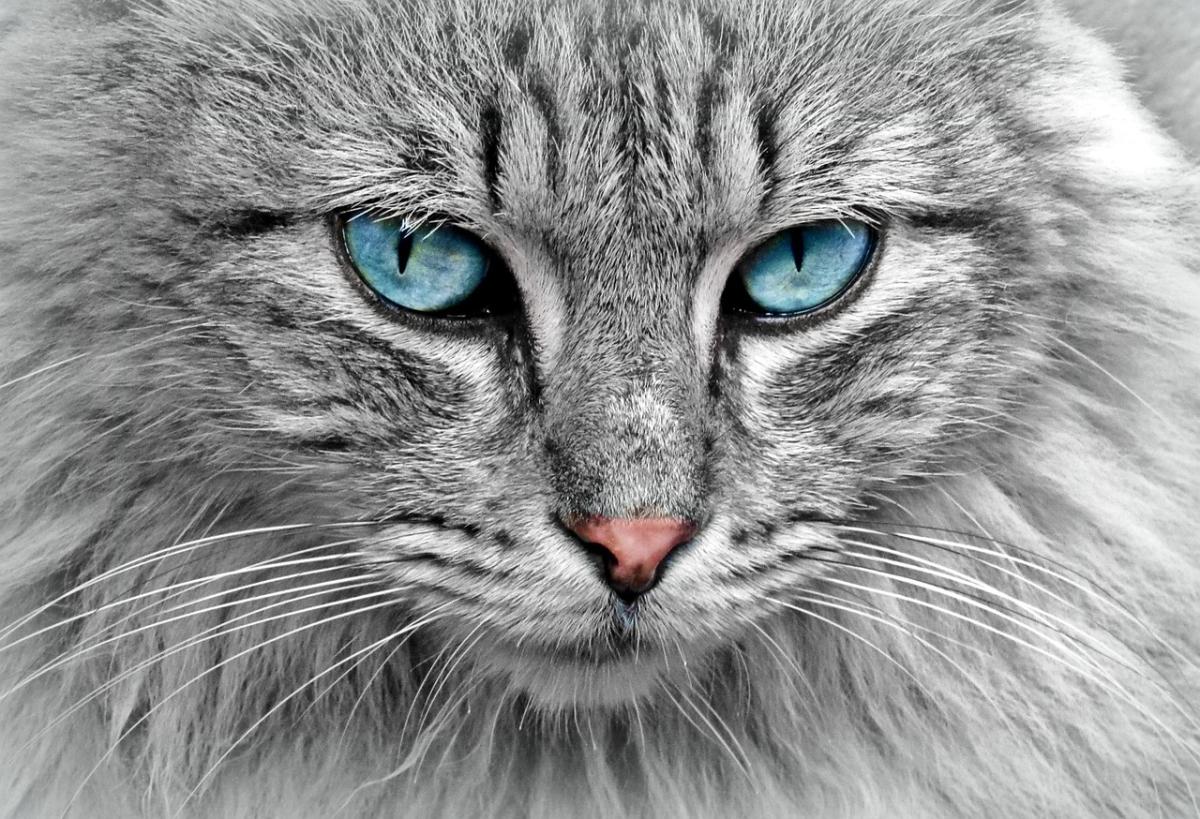
Have you ever wondered how our furry companions became the beloved pets they are today? The journey of domestic cats goes back thousands of years, tracing their origins to the wildcats of the Middle East. These little hunters began to hang around human settlements, drawn in by the promise of easy meals—mostly rodents that were attracted to stored grains.
As time passed, humans recognized the value of these feline pest controllers. Around 9,000 years ago, in places like Egypt and Mesopotamia, people started to welcome cats into their homes. It wasn't long before they started developing a special bond with their humans. They became revered and even worshipped in some cultures. The famous Egyptian goddess Bastet, often depicted as a lioness or with a cat’s head, showed just how much these creatures were valued.
Fast forward a few centuries, cats started spreading across the world. With sailors and traders taking them along on their journeys, they found their way to different continents. By the time they reached Europe, they were seen not just as helpers but as companions as well. Cats and humans began to share their lives, and cats adapted to living alongside people.
Today, our feline friends are part of households all over the globe, bringing joy, comfort, and a bit of mischief to our lives. Each cat, whether it's a playful kitten or a wise old tabby, carries a bit of that wild heritage, reminding us of the marvelous journey we’ve shared together. It's a fascinating story about how wild creatures became our adorable companions, isn't it?
Understanding Cat Behavior and Communication
Understanding your cat's behavior and communication is key to building a strong bond. Cats have their own unique ways of expressing themselves, and being aware of these signals can help you connect with your furry friend on a deeper level.
Firstly, let's talk about vocalizations. Cats meow, purr, hiss, and growl, and each sound has a different meaning. For instance, a gentle purr often indicates that your cat is content and happy. On the other hand, a loud meow or growl may signal discomfort or a desire for attention. Paying attention to the context of these sounds can help you understand what your cat is trying to say.
Body language is just as important as sounds when it comes to communication. A cat that feels relaxed may lie on its side or stretch out, while a puffed-up tail and arched back can indicate fear or aggression. If your cat rubs against you, that's a sign of affection and trust. Also, watch out for ear positioning—forward ears often mean curiosity or interest, while ears pinned back can mean they’re feeling threatened.
Another fascinating aspect of cat behavior is their playful nature. Cats use play to hone their hunting skills and stay physically active. You might notice your cat prowling around, pouncing on toys, or even your shoelaces! This playful behavior is crucial for their health and happiness, so providing them with engaging toys can keep them entertained and mentally stimulated.
Lastly, don’t forget about the importance of routine in a cat's life. Cats are creatures of habit and thrive on consistency. Regular feeding times and play sessions help them feel secure and happy. By observing your cat's preferences, you can better tailor their environment to suit their needs, making for a happier and healthier companion!
Popular Breeds and Their Characteristics
When it comes to domestic cats, there are so many breeds to choose from, each with its own unique quirks and personality traits. If you're considering bringing a furry friend into your home or just want to learn more about these fascinating felines, here are a few popular breeds and what makes them special.
Siamese: Known for their striking blue almond-shaped eyes and sleek bodies, Siamese cats are both beautiful and vocal. They are incredibly social and enjoy interacting with their humans. If you want a playful companion that loves to talk, a Siamese is a perfect choice.
Maine Coon: These gentle giants are one of the largest domesticated cat breeds. Maine Coons are friendly, outgoing, and love to be involved in family activities. With their tufted ears and bushy tails, they're not just fluffy; they're also known for their dog-like personality. They enjoy playing fetch and following their owners around.
Persian: If you're looking for a lap cat, the Persian might be your best bet. With their long, luxurious fur and sweet, flat faces, they have a calm and gentle demeanor. They prefer a relaxed environment and love nothing more than a cozy spot to curl up in while you read or watch TV.
Bengal: If you want a cat with a wild side, the Bengal is the way to go. Their stunning leopard-like spots make them stand out, but it's their playful nature that really shines. They are energetic, curious, and love to explore, so be prepared for lots of fun and games!
Tips for Caring for Your Cat
Taking care of your cat can be a fun and rewarding experience! Here are some simple tips to make sure your furry friend stays happy and healthy.
1. Keep Them Active: Cats love to play! Engage your kitty with toys like feather wands, balls, and laser pointers. Just 15-30 minutes of playtime each day can keep them fit and mentally stimulated.
2. Regular Vet Check-ups: Just like us, cats need regular check-ups to stay healthy. Make sure to schedule annual visits with the vet for vaccinations and health assessments. It helps catch any issues early on!
3. Proper Nutrition: Feeding your cat a balanced diet is super important. Look for high-quality cat food that meets their specific age and health needs. Always make fresh water available, too!
4. Clean Litter Boxes: Cats are picky about cleanliness. Scoop the litter box daily and change the litter regularly to keep them happy and encourage good bathroom habits.
5. Show Them Love: Spend time cuddling, petting, and just hanging out with your cat. Building a bond with your cat helps them feel safe and loved!